Solar battery backup systems are becoming an increasingly popular way for homeowners and businesses to prepare for unexpected power outages. Whether outages are caused by severe weather, aging infrastructure, or equipment failures, having a reliable backup power solution can provide peace of mind and keep essential systems running.
If you’re looking for a dependable backup power solution, you’ve likely considered a traditional generator. But with advances in solar technology, battery storage systems have become an increasingly popular alternative. So, which option is the better choice?
Here’s what you should know before making your decision.
How Does a Solar Battery Backup System Work?
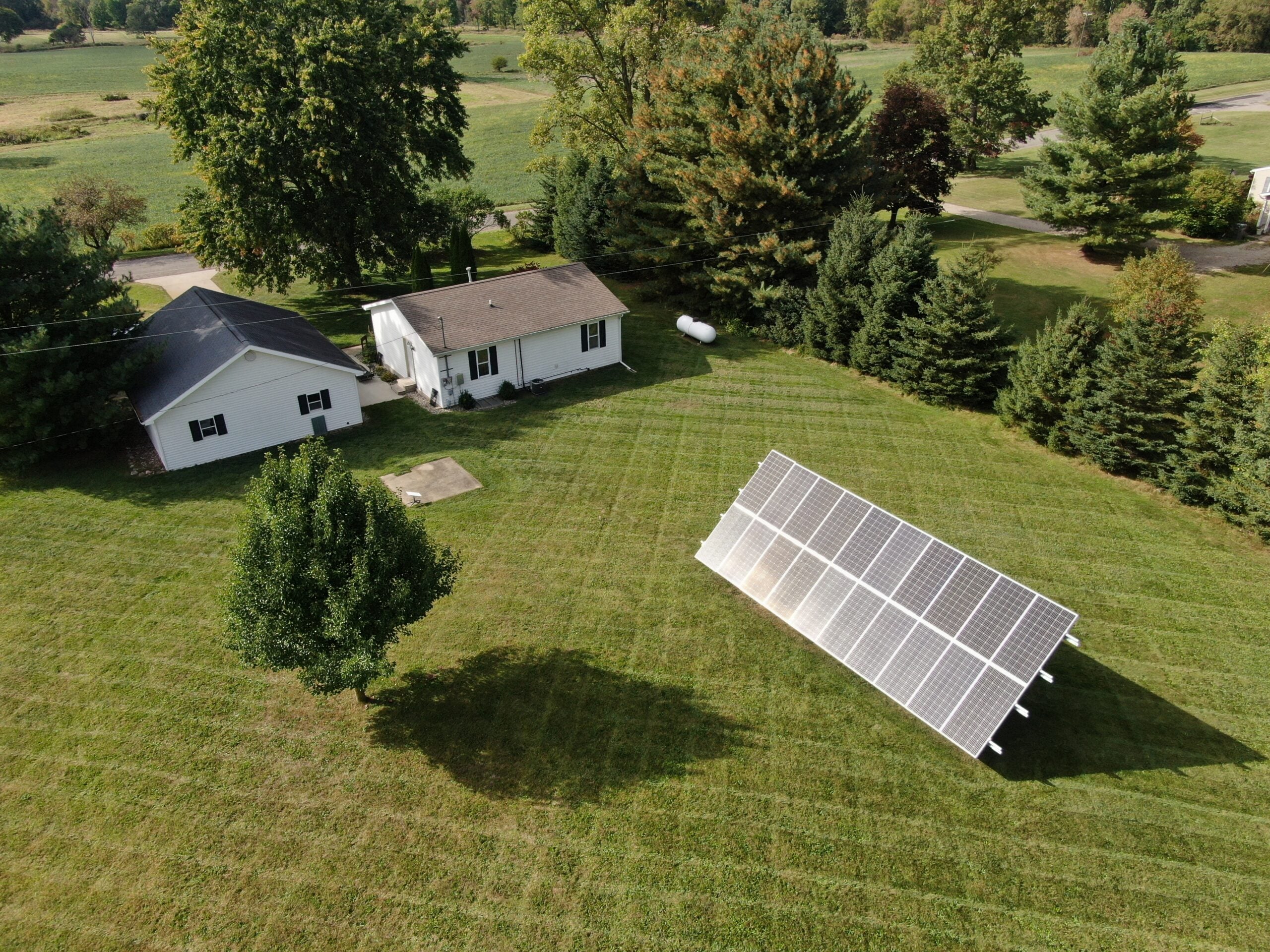
A solar battery stores excess electricity generated by your solar panels instead of sending it back to the electrical grid. When your panels produce more energy than you’re using, that extra power is saved for later.
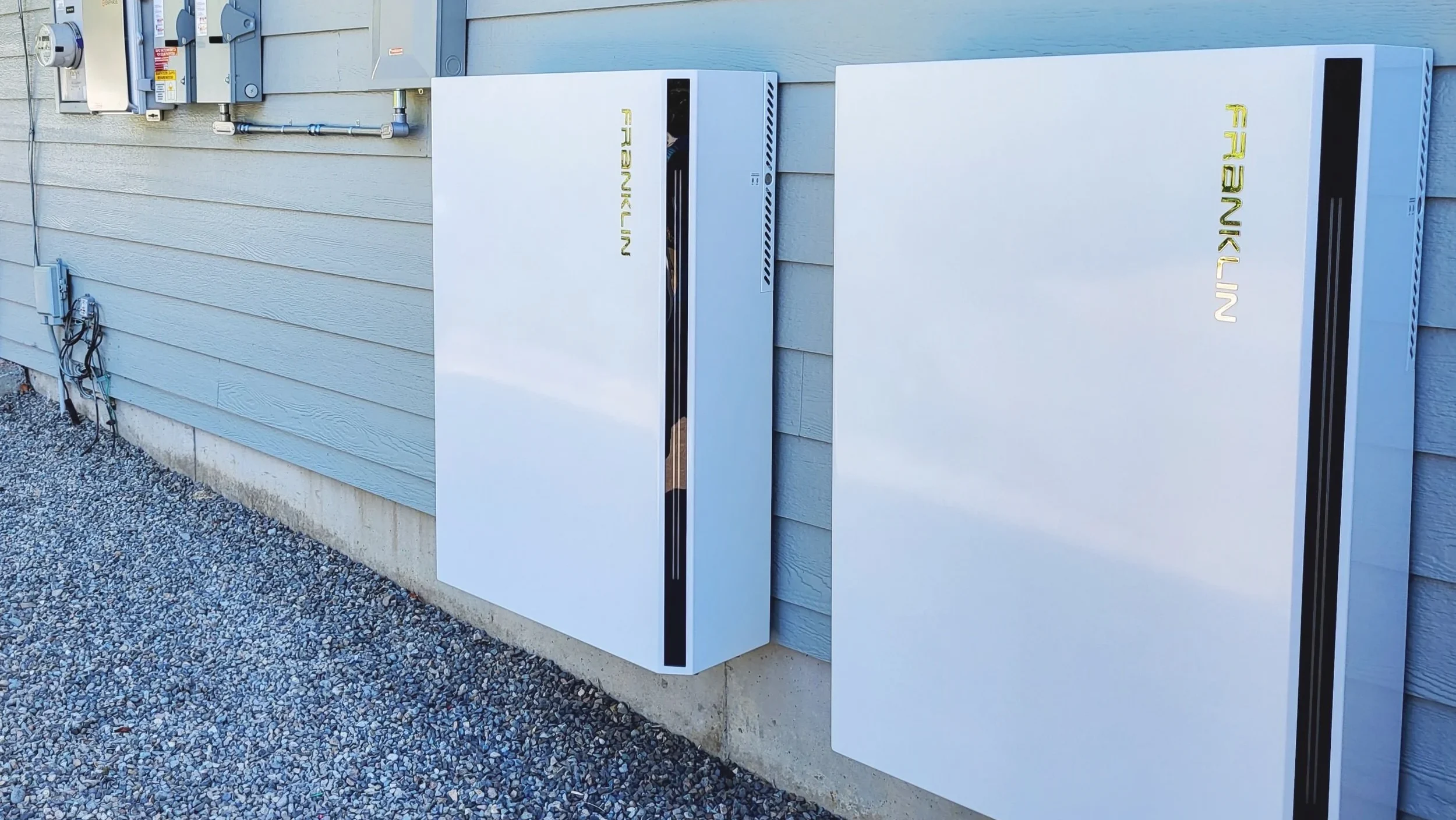
If the power goes out, the battery automatically supplies electricity to your selected appliances or even your entire home, depending on the size of your system. Unlike a generator, there’s no need to refuel or manually start the system—it switches over automatically.
How Does a Generator Work?
Generators produce electricity by burning fuel, typically gasoline, propane, diesel, or natural gas. During an outage, they provide power until electricity is restored or the fuel supply runs out.
Generators have been a reliable backup option for decades, but they require regular maintenance, periodic testing, and a steady supply of fuel to remain operational.
Comparing Solar Batteries and Generators
Both options can provide peace of mind during an outage, but they do so in different ways.
Noise Level
One of the biggest advantages of battery storage is that it operates silently. Since there are no moving engine parts, you won’t hear the loud hum that’s common with generators.
Generators can be noisy while running, which may be a concern in residential neighborhoods or around businesses where minimizing disruption is important.
Maintenance
Solar batteries require very little routine maintenance once they’re installed. Because there are fewer mechanical components, they’re designed to operate with minimal attention.
Generators, on the other hand, need regular oil changes, inspections, and periodic testing. Fuel also needs to be stored safely and replaced when necessary.
Fuel Requirements
Battery systems don’t require gasoline, propane, or diesel fuel. They recharge using electricity generated by your solar panels or, in some cases, from the electrical grid.
Generators depend entirely on fuel. During widespread outages, obtaining additional fuel can sometimes be difficult if local supplies are limited.
Environmental Impact
Battery storage provides clean backup power without producing emissions while operating. When paired with solar panels, it allows you to maximize the renewable energy your system generates.
Generators create exhaust emissions while running and rely on fossil fuels to produce electricity.
Runtime
Generators can continue operating as long as fuel is available. This makes them a practical option for extended outages if you have access to additional fuel.
Battery systems have a finite amount of stored energy, but when paired with solar panels, they can recharge during daylight hours and continue supplying power for longer outages.
Which Option Is Best for Your Home?
For many homeowners, a solar battery backup system offers the convenience of automatic backup power, quiet operation, and low maintenance. If you’re already considering solar—or already have solar installed—adding battery storage can provide additional peace of mind while helping you make the most of the energy your system produces.
A generator may still be the right choice for some situations, particularly where long-duration outages are common or where continuous power is needed without solar generation.
The best solution depends on your property’s energy usage, budget, and backup power goals.
Backup Power for Businesses
Power interruptions don’t just affect homeowners. For businesses, even a short outage can interrupt operations, impact productivity, and lead to unexpected expenses.
Battery storage systems can help businesses keep essential equipment running while reducing dependence on the electrical grid. Combined with a commercial solar system, battery storage can also improve energy resilience and help manage long-term electricity costs.
Find the Right Backup Solution
Every property has different energy needs, which is why there isn’t a one-size-fits-all answer. The right backup power system depends on how much electricity you use, what equipment you need to keep running during an outage, and your long-term energy goals.
At United Solar Solutions, we help homeowners and businesses throughout Maryland and Virginia evaluate their options and design systems that fit their specific needs. Whether you’re interested in solar panels, battery storage, or a complete energy solution, our experienced team is here to help.
Contact United Solar Solutions today to schedule a free estimate and learn which backup power option is right for your home or business.
Ready To Go Solar?
Tell us about your project and we’ll be in touch with an estimate.